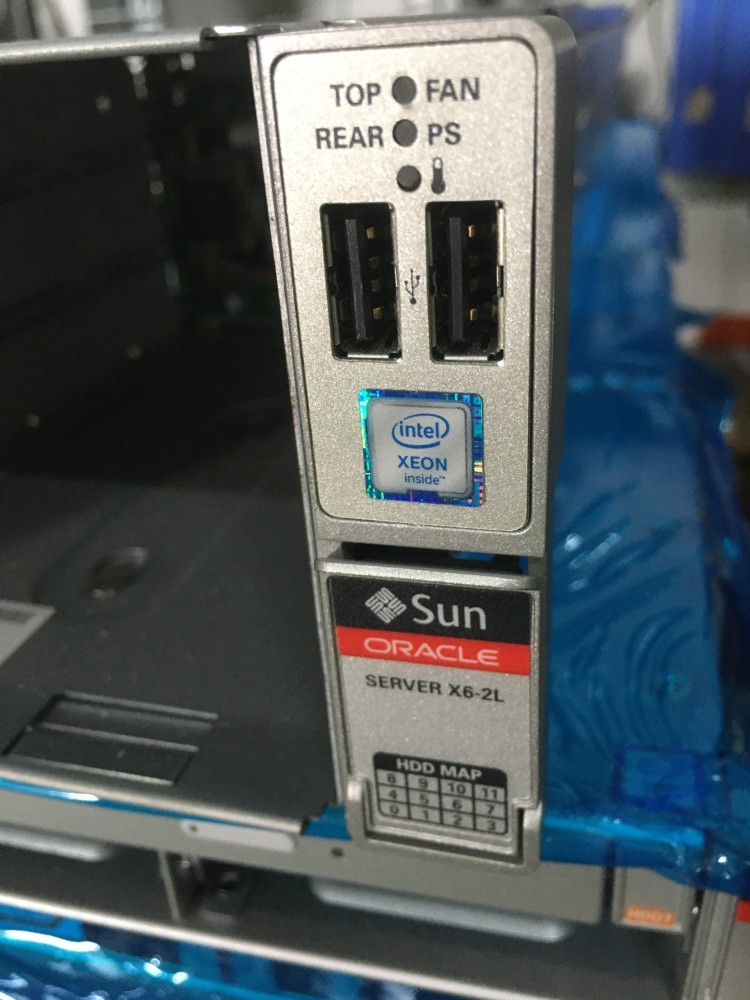
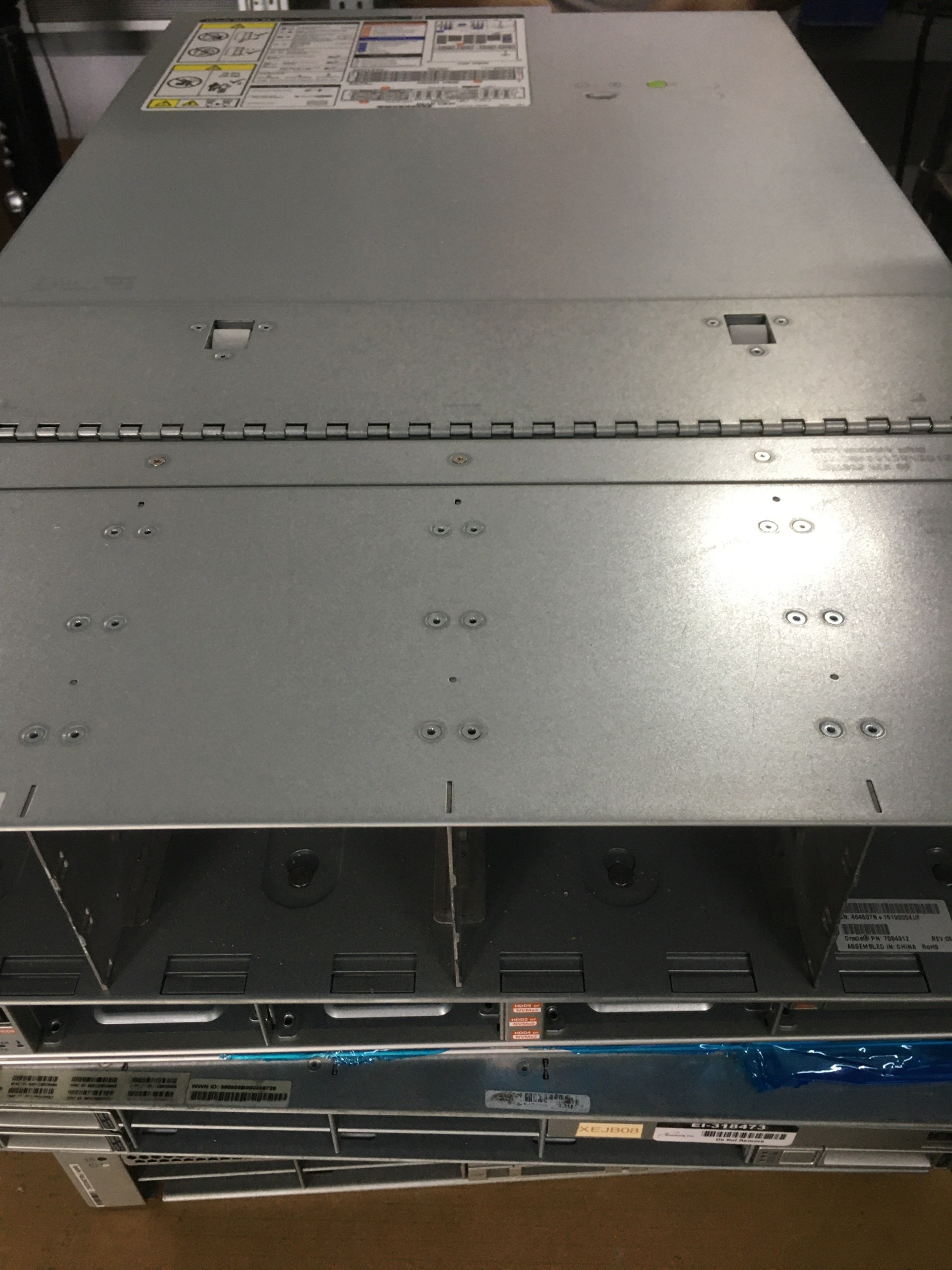
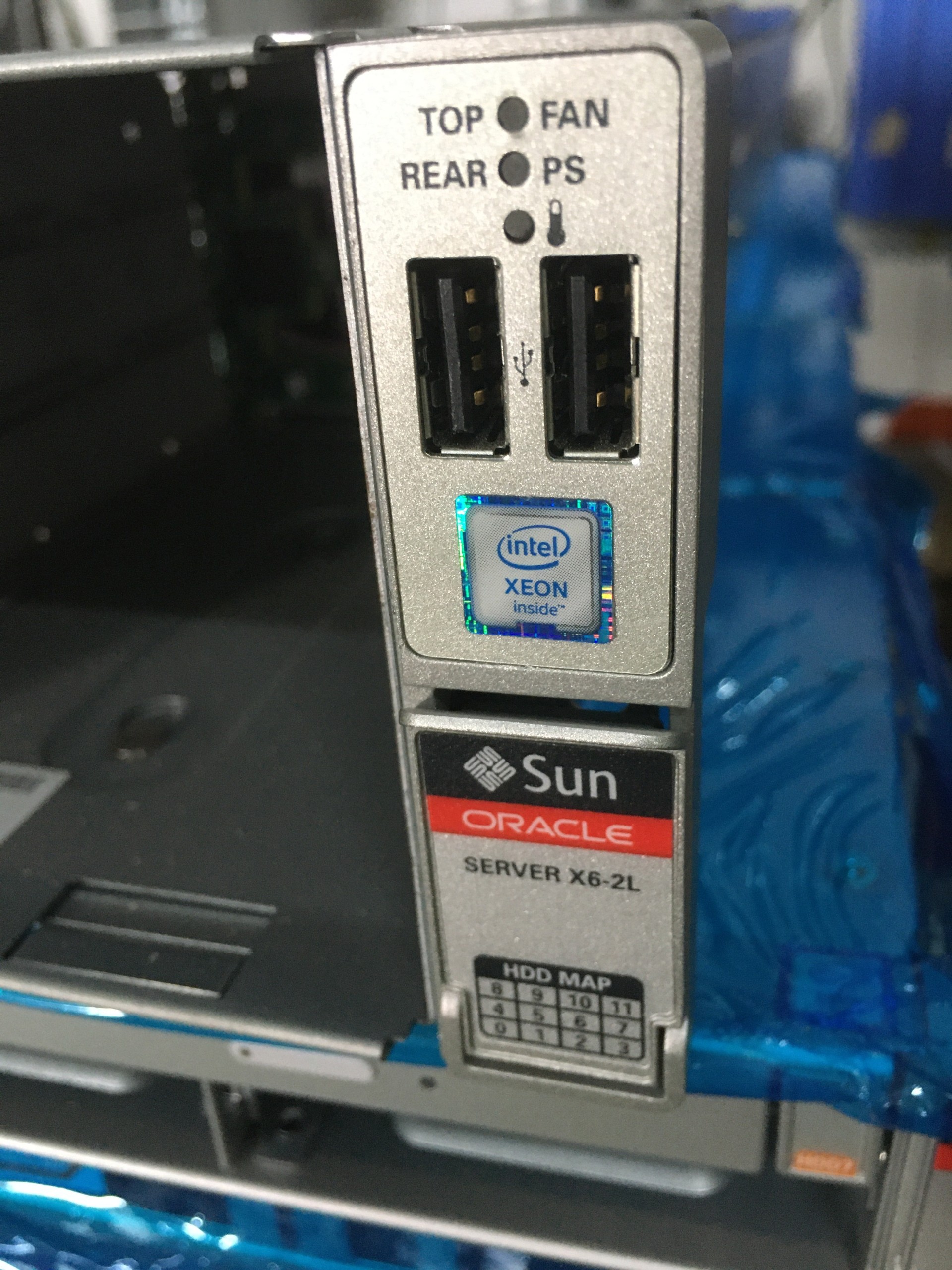
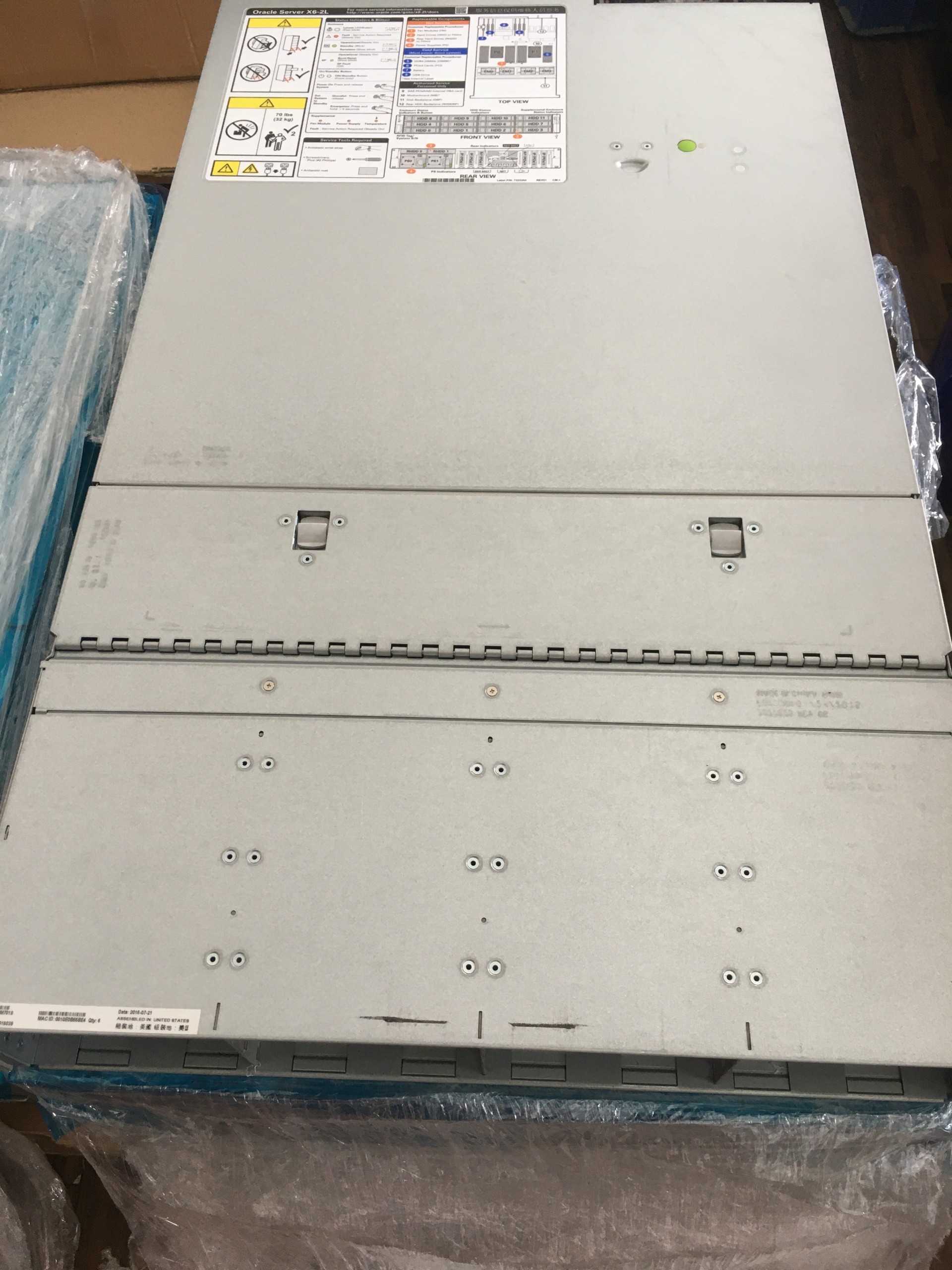
Oracle Server X6‑2L
| Brand | Oracle |
| Model | X6-2L |
Oracle Server X6‑2L
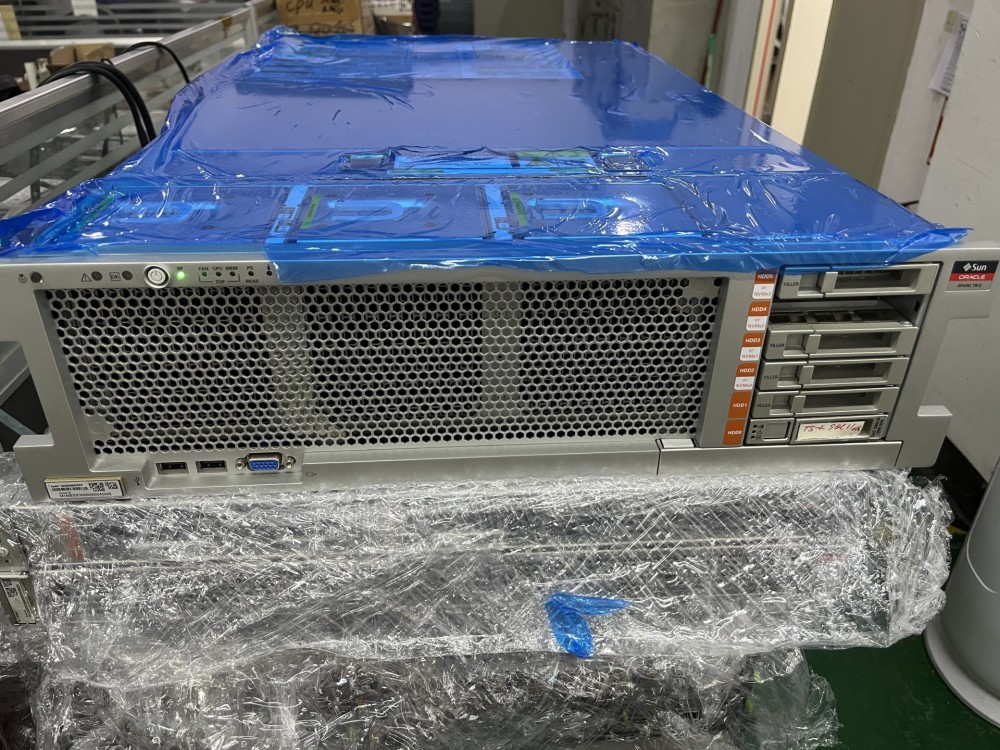
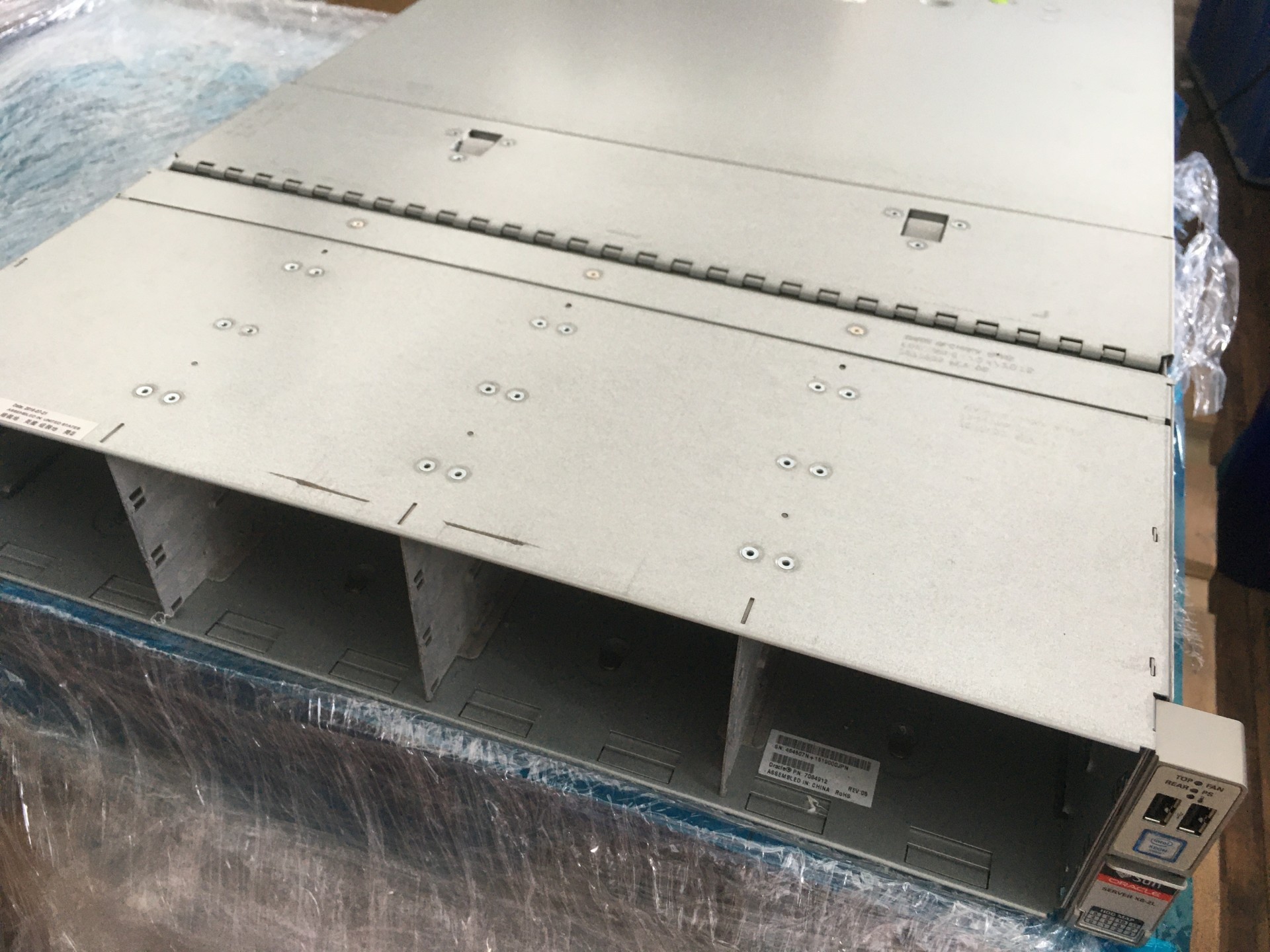
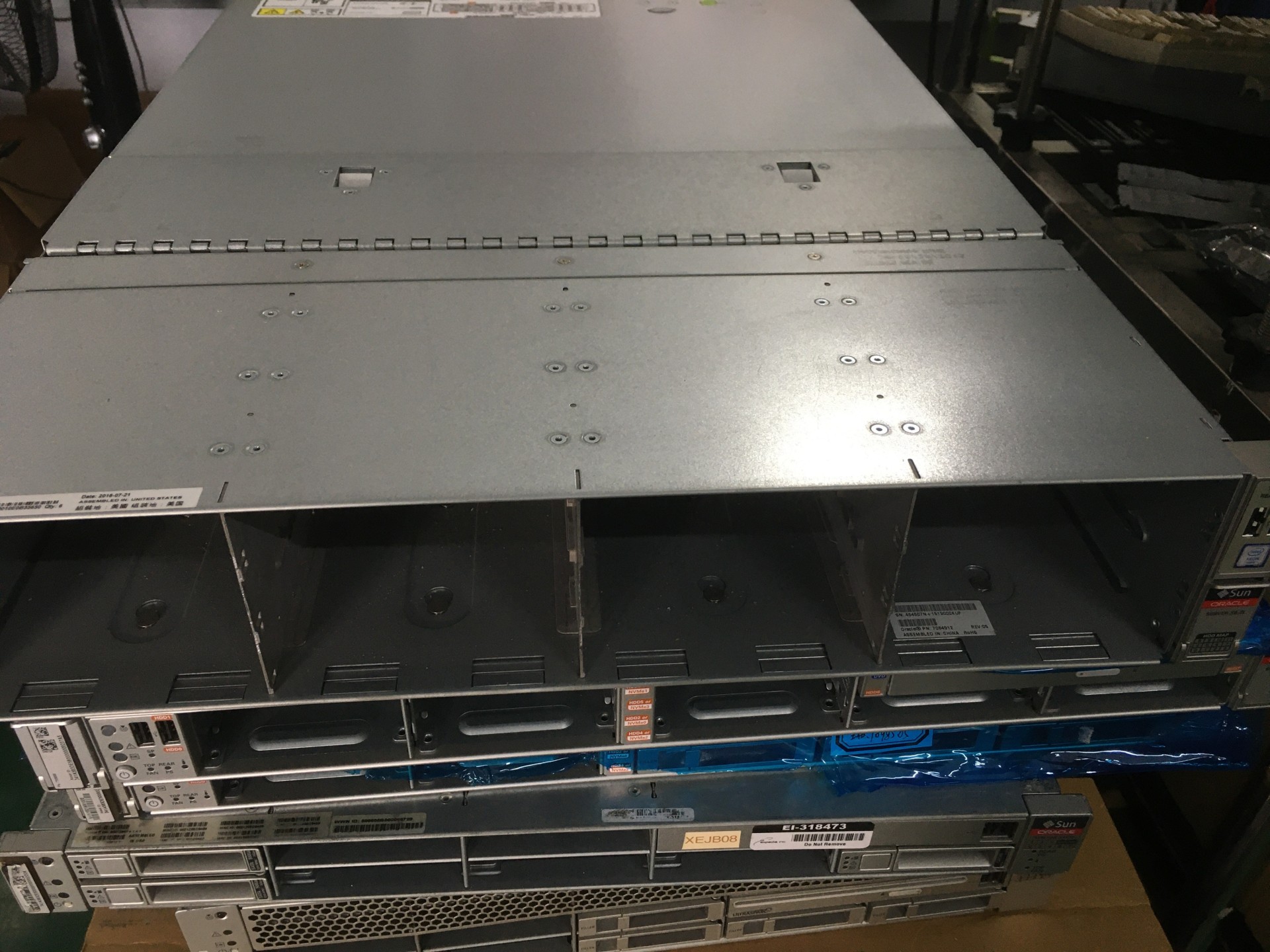
Oracle Server X6‑2L is a 2U rack‑mounted enterprise‑class x86 server, purpose‑designed for data‑intensive workloads requiring massive onboard local storage and flexible I/O expansion, including standalone Oracle Database, non‑SAN database deployment, database consolidation and big‑data analytics.
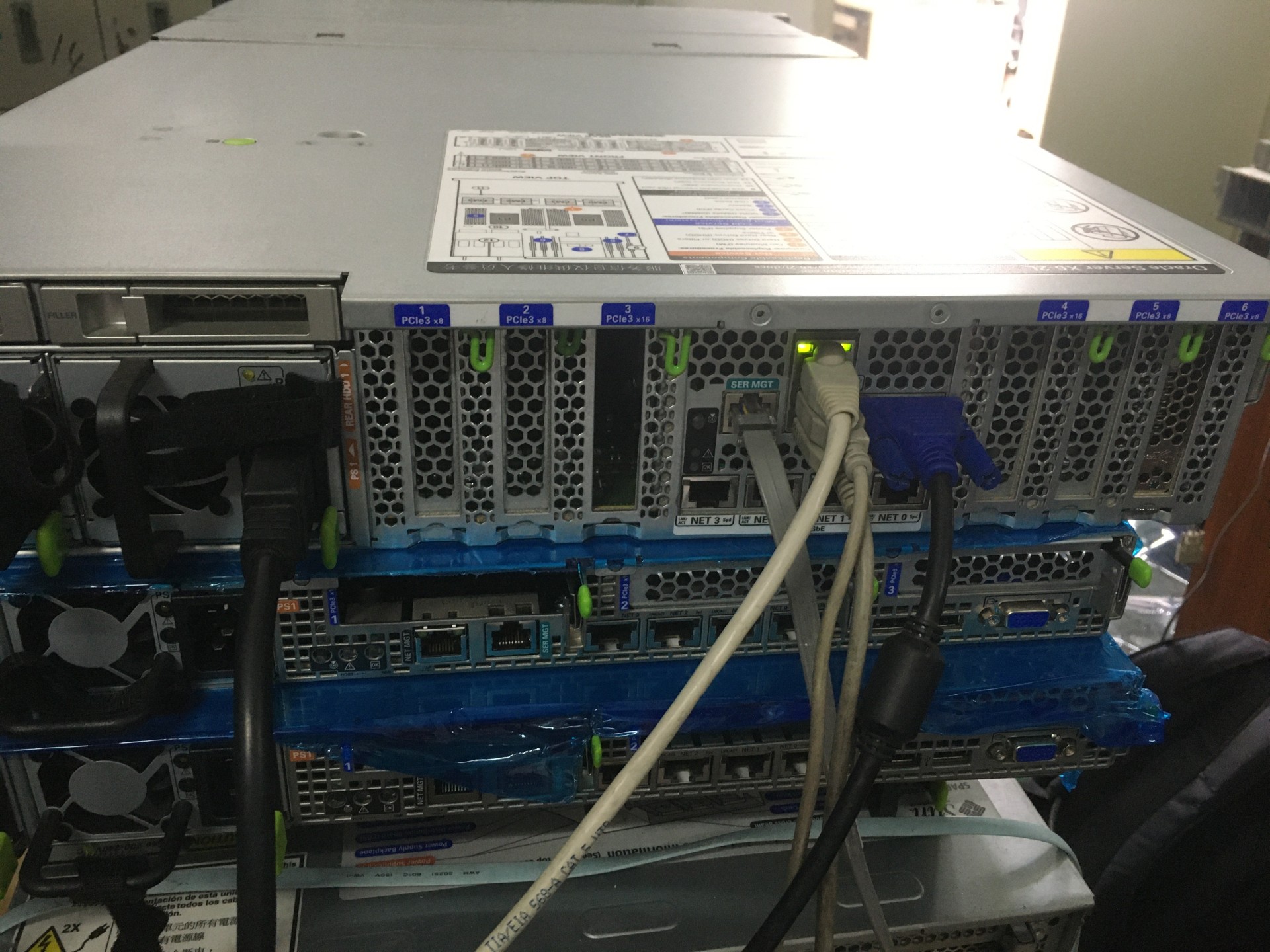
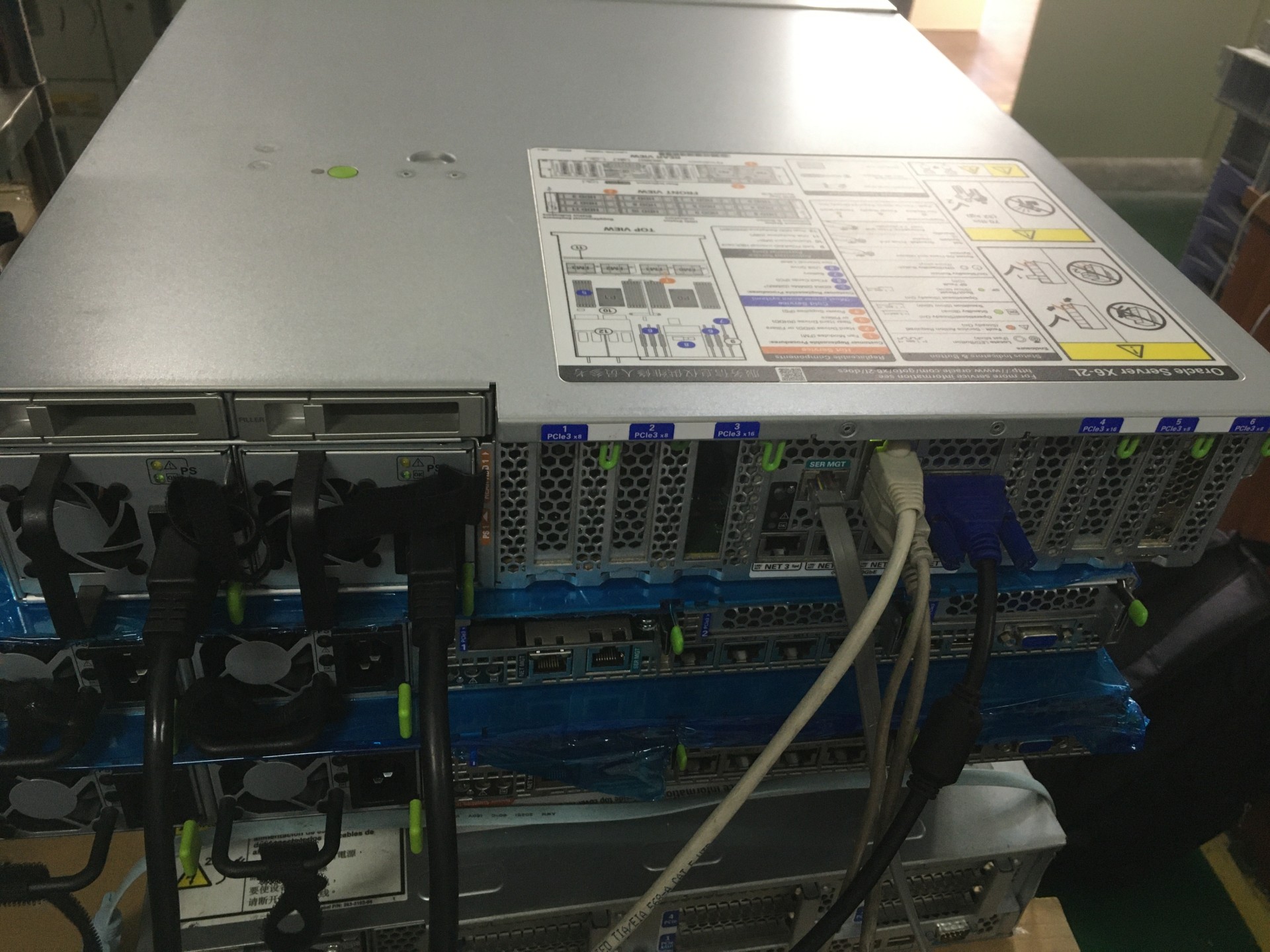
The system supports one or two Intel® Xeon® E5‑2600 v4 series processors with up to 22 cores per socket. It features 24 DDR4‑2400 DIMM slots, delivering maximum memory up to 768 GB under dual‑processor configuration. Two factory storage backplane options are available: twelve hot‑swap 3.5‑inch drive bays or twenty‑four hot‑swap 2.5‑inch drive bays for SAS‑3 HDD and SSD; NVMe SSD is supported with an optional NVMe PCIe switch adapter. In dual‑processor mode, the server provides six PCI‑Express Gen‑3 low‑profile expansion slots for Fibre‑Channel HBAs, high‑speed network adapters and flash accelerator cards.
Redundant hot‑swappable power supplies and fan modules reduce the risk of unplanned hardware outages. The embedded Oracle ILOM service processor enables comprehensive out‑of‑band remote infrastructure management, real‑time hardware health monitoring, fault alerting and firmware upgrades. Supported operating systems include Oracle Linux, Red Hat Enterprise Linux, SUSE Linux Enterprise Server and Microsoft Windows. Oracle Server X6‑2L serves as a stable, validated foundational building block for on‑premises database, middleware and big‑data environments.
Key hardware bullet points
Form Factor: 2U Rack‑mount
CPU: 1‑2 × Intel Xeon E5‑2600 v4, max 22 cores per socket
Memory: 24 DDR4‑2400 DIMM slots, up to 768 GB
Local Storage: Option‑A:12 × hot‑swap 3.5‑inch bays; Option‑B:24 × hot‑swap 2.5‑inch bays (SAS‑3 HDD / SSD; NVMe requires optional PCIe switch card)
Expansion: 6 × PCIe Gen3 low‑profile slots (dual‑processor configuration)
System Management: Oracle ILOM service processor
Redundancy: Hot‑swap redundant power supplies & fan modules
Supported OS: Oracle Linux, RHEL, SUSE Linux, Microsoft Windows